As the demand for more advanced electronic gadgets keeps growing, you really can't overlook the importance of finding reliable suppliers. By 2026, there's been a real uptick in focus on ODM (Original Design Manufacturer) companies — these guys are crucial when it comes to producing top-notch components. One area that's grabbing lots of attention is Core Inductor manufacturing.
Lots of suppliers are trying to meet CE certification standards, making sure safety and performance are up to snuff. But let’s be honest, not every factory delivers the same quality. It's super important to look into each company's expertise and track record with Core Inductors — some really stand out, while others fall a bit short.
If you’re an investor or just someone trying to get a handle on the market, it pays to watch the big players and spot potential red flags early. Checking out how the top ODMs operate can reveal their strengths and weaknesses — those little details that really matter. Getting a good grip on these nuances is key to making smart decisions. Picking the right Core Inductor factory might seem tricky at first, but trust me, it’s essential for the success of any electronic project or product in the end.

2026 Overview of ODM CE Certification for Core Inductors
As the demand for efficient power management solutions grows, ODM CE certification for Core Inductors becomes crucial. This certification ensures that inductors meet stringent safety and performance standards. The global inductor market is projected to reach USD 4.0 billion by 2026, highlighting the significance of reliable components in electronics.
ODM manufacturers should focus on quality assurance protocols in their production processes. However, there are challenges. The complexity of Rf Inductor Core design means that potential defects can arise during manufacturing. Such defects can lead to performance issues, affecting the end product. Investment in advanced testing technologies is essential to mitigate these risks.
Incorporating industry insights is vital for ODMs. Recent studies suggest that 70% of manufacturers face difficulties in achieving CE compliance due to lack of proper knowledge. This gap underscores the necessity for better training and resources. Building a knowledgeable workforce will enhance the overall reliability of inductors, ensuring they meet global market expectations.
2026 Top ODM CE Certification Core Inductor Factory Insights
| Factory Location | Annual Production (Million Units) | CE Certification Compliance (%) | Years of Experience | Product Range |
| Europe | 10 | 95 | 15 | High-Frequency Inductors |
| Asia | 15 | 90 | 10 |
Power Inductors |
| North America | 8 | 92 | 20 | Common Mode Chokes |
| South America | 5 | 85 | 7 |
Rf Inductors |
| Middle East | 6 | 88 | 12 |
Smd Inductors |
Key Players in the Core Inductor Manufacturing Industry
The Core Inductor manufacturing industry is witnessing significant changes. As consumer electronics evolve, the demand for high-quality inductors has surged. Key players are focusing on innovative designs and sustainable production methods. They strive to enhance performance while minimizing environmental impact.
Several companies dominate the landscape. They invest heavily in research and development. This includes exploring new materials and improving efficiency. Collaboration among industry leaders fosters advancements. Innovation is a key driver of competitiveness in this market. Yet, challenges remain, such as fluctuating raw material costs and stringent regulatory standards.
Quality control stands out in the manufacturing process. Ensuring reliable performance is crucial for customer satisfaction. Some manufacturers are grappling with this aspect. An attention to detail can make a significant difference. In an ever-changing market, adaptability is essential. Companies must reflect on their production strategies to remain relevant.
2026 Top ODM CE Certification Core Inductor Industry Insights
This chart illustrates the projected production volume of Core Inductors from 2019 to 2025. It highlights the growth trend in the ODM CE certification Core Inductor manufacturing sector, showcasing a steady increase in production capacity to meet rising demand.
Understanding ODM: Definition and Importance in Electronics
The role of Original Design Manufacturers (ODM) in the electronics sector is crucial. ODMs provide comprehensive design and production services, significantly impacting supply chains. According to a recent industry report from MarketsandMarkets, the global ODM market is projected to grow at a CAGR of 8.5% through 2026. This growth reflects the increased demand for innovative electronic components.
Air Core Inductors are a primary focus for many ODMs. These components are essential in various applications, such as power conversion and radio frequency. Their design impacts performance, emphasizing the importance of collaborating with experienced ODM partners. Companies that prioritize quality and innovation in their inductor designs see a notable advantage in product performance. However, the challenge remains in balancing cost while maintaining quality standards.
Many manufacturers face difficulties in adapting to rapid technological changes. This can lead to inconsistencies in product quality and a lack of design flexibility. Investing in robust ODM relationships can mitigate these challenges. Skilled ODMs bring invaluable knowledge and a keen understanding of market trends. This expertise empowers electronics companies to refine their products and meet regulatory standards effectively.
CE Certification Process for Core Inductor Manufacturers
The CE certification process for Core Inductor manufacturers is crucial in today's electronics market. Manufacturers must comply with stringent European safety standards. According to a report by Research And Markets, the demand for certified inductors is expected to increase by 15% over the next few years. This surge underscores the importance of CE compliance for market access.
The certification involves multiple stages, including testing for electrical and thermal performance. An independent laboratory must conduct these tests. Some manufacturers struggle with documentation and technical files, leading to delays. A 2022 survey revealed that 30% of companies faced challenges in meeting CE marking requirements due to inadequate understanding of regulations.
Investing in quality management systems can streamline this process. However, many small and medium enterprises still lack the resources for comprehensive compliance measures. The industry has noted that these gaps can result in significant overhead costs. It’s essential for manufacturers to prioritize education and training to navigate the certification labyrinth effectively.
Market Trends and Innovations in Core Inductor Technology
The core inductor market is rapidly evolving, driven by new material innovations and design improvements. Ferrite Core Inductors remain a staple due to their excellent magnetic properties and cost efficiency. Recent trends emphasize miniaturization and enhanced thermal stability. These advances help meet stricter energy efficiency regulations and growing demands in consumer electronics and automotive sectors.
Manufacturers are exploring alternative ferrite compositions to reduce core losses and improve frequency response. This effort supports applications in power management and renewable energy systems. However, challenges persist. For example, balancing magnetic saturation and mechanical strength can be tricky. Such technical trade-offs require ongoing research and advanced manufacturing techniques.
Despite progress, some gaps in standardization and testing protocols exist. These gaps can affect reliability assessments under real-world conditions. Industry experts suggest more collaboration across research institutions and factory lines. This collective effort will help refine performance benchmarks and certification processes, especially for ODM CE compliance.
Quality Standards and Compliance for CE Certification
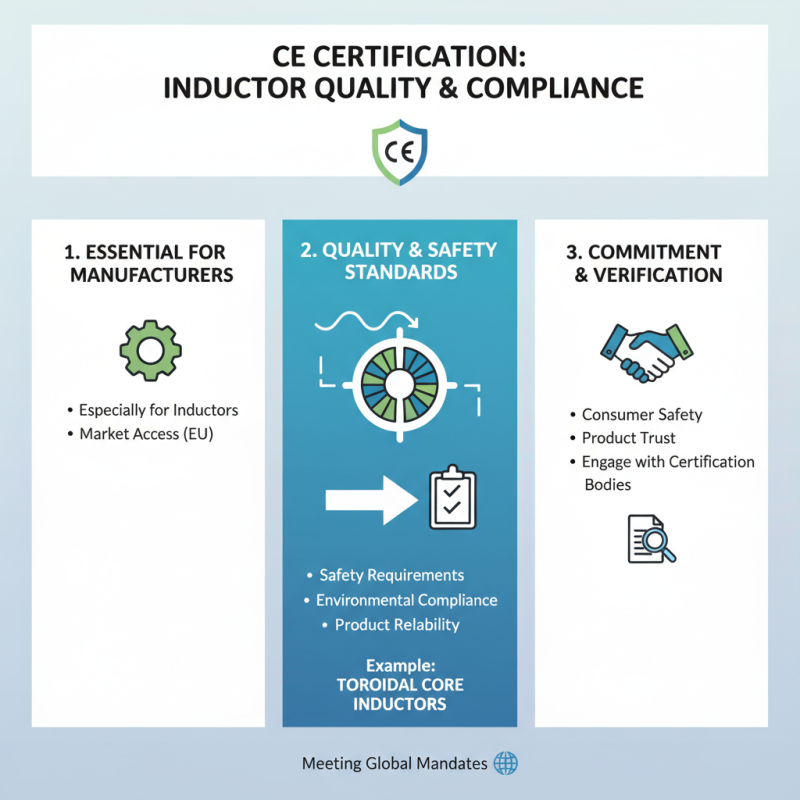
Achieving CE certification is essential for manufacturers, especially in the field of inductors. Compliance with quality standards ensures that products like Toroidal Core Inductors meet safety and environmental requirements. Adhering to these standards is not just a formality; it reflects a commitment to consumer safety and product reliability. Industry players must engage with certification bodies to understand the specific mandates for their products.
Quality control is vital in maintaining high manufacturing standards. Every component undergoes rigorous testing to ensure it meets CE certification criteria. This might include assessing electrical performance, thermal stability, and even environmental impact. However, many manufacturers find themselves in a continuous loop of improvement. There are often unforeseen challenges that arise during the testing phases. It forces manufacturers to revisit their processes and rethink their operational strategies.
Some manufacturers struggle with the documentation required for certification. The lack of thorough guidelines can lead to inconsistencies in compliance. Keeping abreast of changing standards is crucial but often overlooked. Regular audits and updates should not be ignored. Engaging in ongoing learning will enhance a manufacturer’s ability to produce high-quality Toroidal Core Inductors that comply with CE certification. Every step counts in building a reliable product portfolio.
Future Outlook: Challenges and Opportunities in the ODM Sector
The ODM (Original Design Manufacturing) sector faces unique challenges and opportunities. As of 2023, industry reports highlight a significant shift towards sustainability in manufacturing practices. About 70% of ODM firms are investing in eco-friendly materials and processes. This is not just a trend; it’s a necessity driven by increasing consumer demand for sustainable products.
However, challenges persist. Supply chain disruptions have been prominent, impacting 60% of manufacturers. These disruptions arise from geopolitical tensions and raw material shortages, making it crucial for ODM factories to innovate. Adopting flexible supply chain strategies is vital. Many companies are looking at reshoring, which could redefine operational dynamics.
Technology integration offers a promising avenue for growth. A report indicates that 45% of ODM companies will leverage AI and automation by 2026. This integration can improve efficiency but comes with a steep learning curve. Additionally, the workforce will need reskilling, creating a potential gap in expertise. Strengthening partnerships within the industry can mitigate these challenges, ensuring competitiveness in an evolving global market.
High-Frequency Applications and the Advantages of ARA0620 Series Rod Choke Inductors
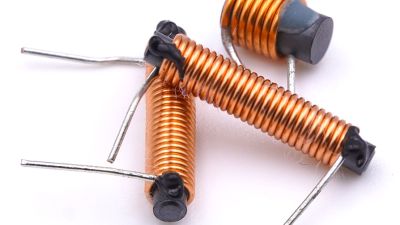
The ARA0620 Series rod choke inductors are designed specifically to meet the demands of high-frequency applications, surpassing expectations in performance and reliability. With an operating temperature range of -40°C to +85°C and a storage temperature range of -55°C to +100°C, these inductors are engineered to function efficiently in challenging environments. Their compatibility with 260°C reflow soldering processes ensures that they can be seamlessly integrated into automated manufacturing setups, making them ideal for various high-volume applications.
These inductors excel in multiple applications where EMI filtering, impedance matching, and DC-DC converter circuits are crucial. Their ability to effectively minimize electromagnetic interference makes them exceptional choices for automotive electronics as well as antenna matching circuits. The RoHS compliance guarantees that they are lead-free, addressing environmental concerns while still delivering on quality and performance. The robust design and versatile applications highlight the significance of the ARA0620 Series in today's fast-paced technological landscape, particularly in high-frequency environments where reliability is paramount.
FAQS
: ODM CE certification ensures inductors meet safety and performance standards, vital for efficient power management.
Many struggle with documentation and regulations, causing delays in achieving CE marking.
Investing in quality management systems and training can streamline compliance efforts.
A knowledgeable workforce is essential, as many manufacturers lack understanding of CE compliance.
Approximately 70% are investing in eco-friendly practices to meet consumer demands.
Such disruptions affect 60% of manufacturers, necessitating innovative and flexible supply chain strategies.
Many companies plan to adopt AI and automation, enhancing efficiency but requiring workforce reskilling.
The steep learning curve and potential gaps in expertise may hinder effective implementation.
Proper training enhances understanding, reducing the risk of compliance issues and improving overall quality.
The sector faces opportunities in sustainability and technology, but challenges like supply chain issues remain.
Conclusion
The article titled "2026 Top ODM CE Certification Core Inductor Factory Insights" provides a comprehensive overview of the core inductor manufacturing industry, particularly focusing on the Original Design Manufacturer (ODM) sector and its relationship with CE certification. It details the significance of ODM in the electronics landscape, highlighting how it enables innovation and efficiency in core inductor production.
Moreover, the article explains the CE certification process specifically for core inductors, emphasizing the quality standards and compliance necessary for manufacturers to succeed. It explores current market trends and technological advancements that are shaping the future of core inductors, while also discussing the challenges and opportunities the ODM sector may encounter as it continues to evolve. This insightful examination serves to inform stakeholders about the critical aspects of certifying core inductors and the dynamics of the industry moving forward.

 +86-15916242887
 CONTACT US